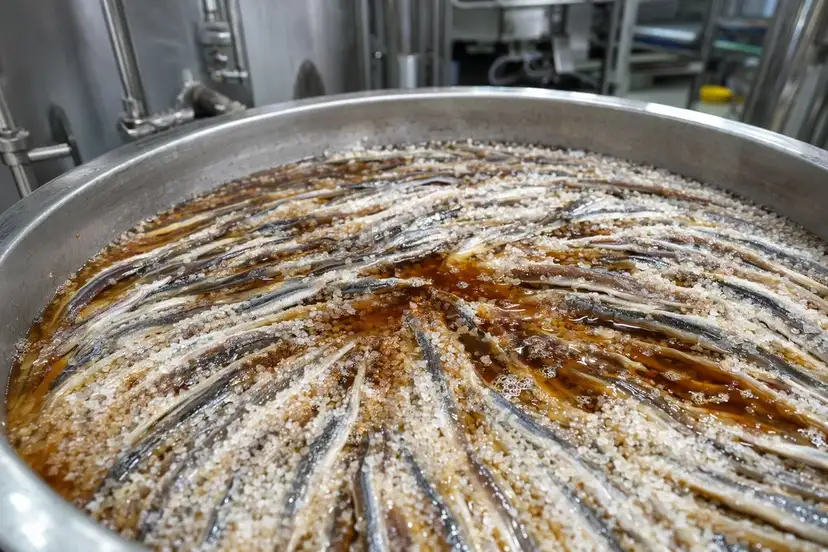
Seafood Fermentation Enzyme Supplier for Fish Sauce Plants
SaltPulse Bioworks supports seafood fermentation plants with salt-tolerant enzyme systems for fish sauce, shrimp paste, anchovy sauce, and fish hydrolysate production.
Request pricing SaltPulse Bioworks supports seafood fermentation plants with salt-tolerant enzyme systems for fish sauce, shrimp paste, anchovy sauce, and fish hydrolysate production.
Request pricingSaltPulse Bioworks supplies enzyme solutions for seafood fermentation plants that need reliable nitrogen release, controlled maturation, and repeatable aroma development without losing the character of traditional salted seafood craft.
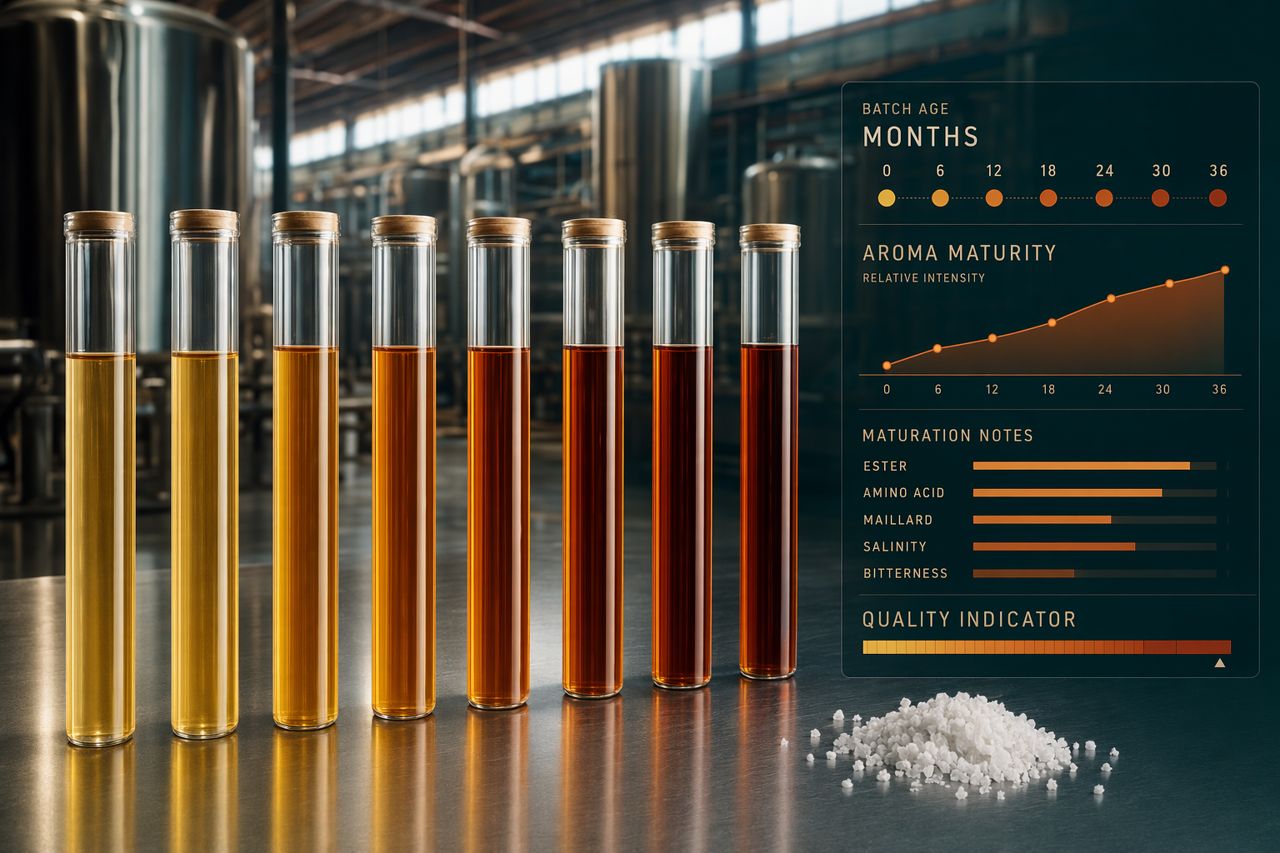
For fermentation managers producing fish sauce, shrimp paste, anchovy sauce, seasoning bases, or fish hydrolysate, enzyme performance is not a catalog item. It has to work under high salt, variable raw material quality, long hold times, and plant-scale production pressure. As an enzyme supplier for fish sauce fermentation and adjacent seafood processes, SaltPulse Bioworks focuses on the production realities behind every amber sample tube: consistency, patience, and controlled umami.
Request a quote using the on-site form
Seafood fermentation is shaped by raw material, salt level, time, temperature, microbial activity, and vessel geometry. Enzymes can support this process by helping release soluble nitrogen, peptides, amino acids, and savory precursors from fish and shellfish proteins.
SaltPulse Bioworks works with processors that need enzyme systems for:
The goal is not to shortcut heritage. The goal is to make each batch easier to manage, easier to forecast, and easier to align with your finished product standard.
Protein breakdown drives much of the value in fermented seafood products. Salt-tolerant enzyme systems can support more predictable nitrogen release, helping your team reach target flavor and extract characteristics with less batch uncertainty.
Aroma maturity depends on the profile of peptides, amino acids, and fermentation-derived compounds. The right enzyme approach helps guide early protein breakdown so the batch develops toward savory depth rather than harsh, thin, or unstable notes.
Traditional seafood fermentation takes time, and time must be respected. Enzyme support can help fermentation managers plan maturation windows with greater confidence, especially when raw material quality shifts by season, supplier, or catch composition.
When protein is converted into soluble material more consistently, plants can often improve liquid recovery, reduce variability between vats, and make downstream clarification or blending decisions with better data.
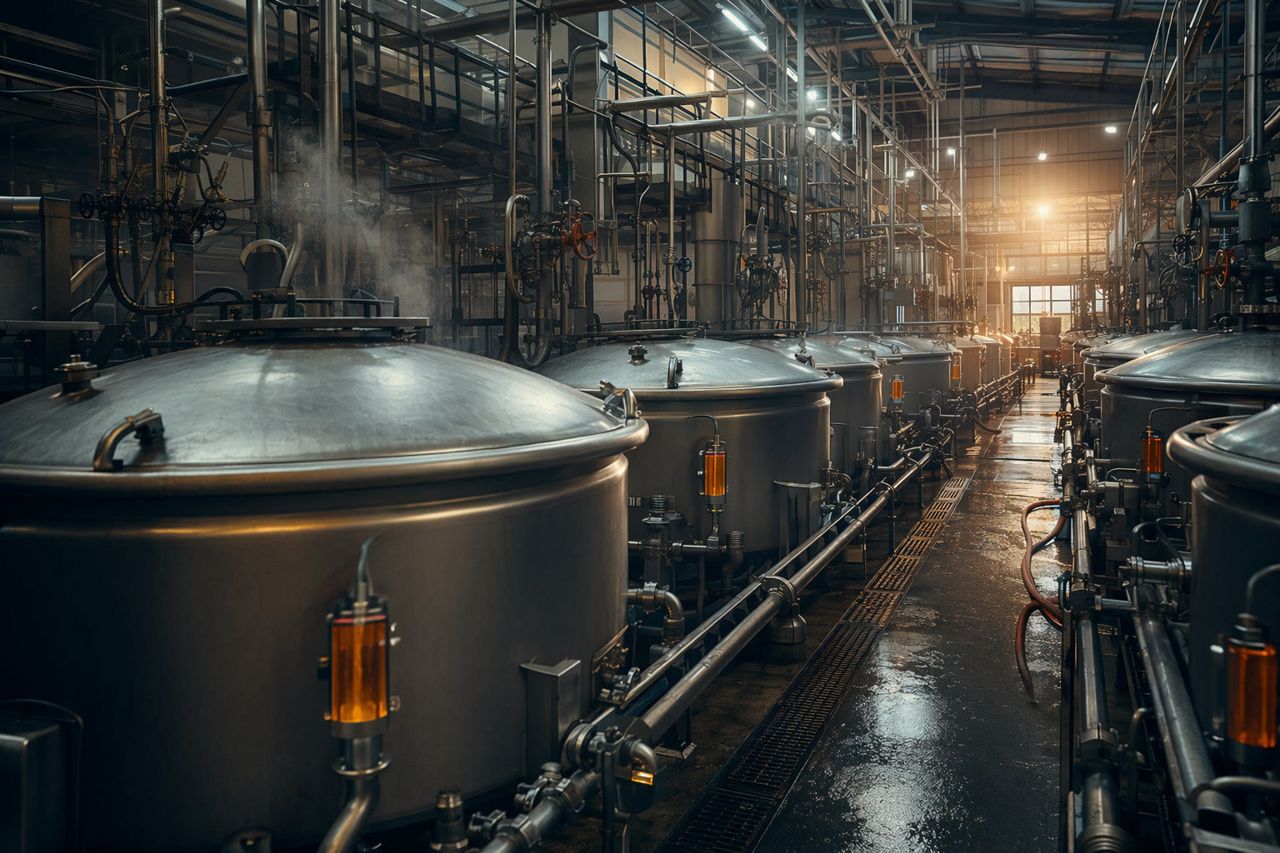
Seafood fermentation environments are saline by design. SaltPulse Bioworks prioritizes enzyme systems selected for high-salt process conditions, so production teams are not forced to choose between microbial safety, traditional process design, and enzyme reliability.
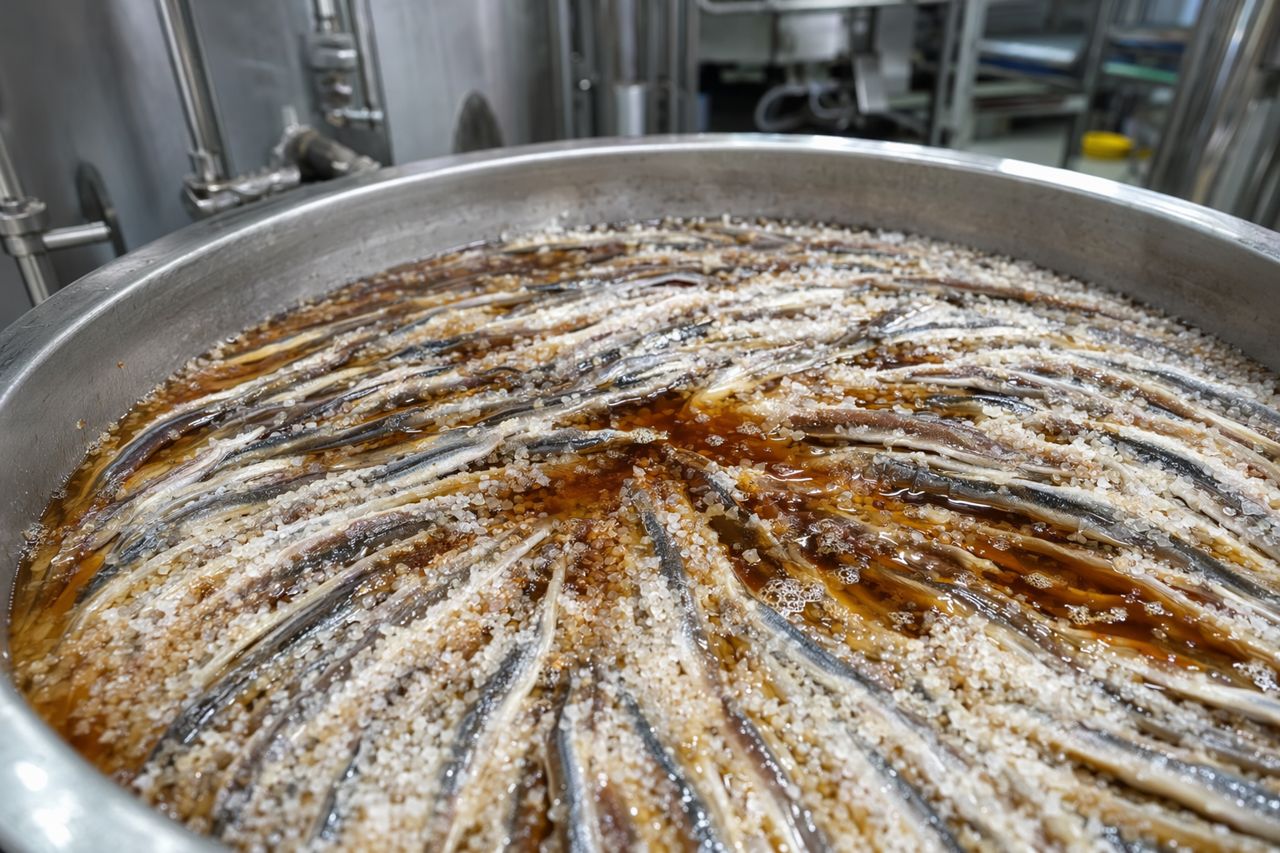
For fish sauce plants, enzymes can support protein solubilization, nitrogen release, and early-stage breakdown in salted fish masses. SaltPulse Bioworks helps production teams match enzyme selection to raw material type, brine structure, vessel residence time, and finished sauce profile.
Shrimp fermentation has its own protein structure, color expectations, and aroma balance. Enzyme systems may be used to improve breakdown uniformity while protecting the dense, savory character expected in finished paste or extract.
Anchovy-based fermentation often demands a clean umami profile with amber color and controlled aroma intensity. Enzyme support can help stabilize batch-to-batch development, especially where blending depends on predictable nitrogen and flavor contribution.
For plants producing fish hydrolysate or marine seasoning ingredients, enzyme selection affects viscosity, bitterness risk, solubility, and downstream handling. SaltPulse Bioworks supports processors looking for controlled hydrolysis rather than aggressive breakdown that creates rework.
SaltPulse Bioworks does not treat seafood fermentation as a generic protein hydrolysis problem. We begin with your process conditions and finished product target, then recommend enzyme systems that fit the plant reality.
Key factors include:
This lets your team evaluate enzyme support with practical production logic instead of trial-and-error purchasing.
Fish sauce and seafood fermentation are built on time, salt, and craft. We position enzymes as a process aid for control and repeatability, not as a replacement for the fermentation intelligence already inside your plant.
Many enzymes perform well in ordinary water-based systems but lose value in heavy brine. We help identify options suitable for saline seafood matrices so your trials are relevant from the start.
Our technical conversations are centered on batch behavior: aroma maturity, soluble solids, viscosity, extraction, aging curves, and final blending needs. We speak in plant outcomes, not abstract lab language.
Because seafood fermentation conditions vary widely, SaltPulse Bioworks supports B2B buyers through a quote-request process. Tell us what you produce, how you ferment, and what outcome you need. We will respond with options aligned to your plant and scale.
When evaluating an enzyme supplier for fish sauce fermentation or related seafood products, ask whether the supplier understands the operating environment of salted marine proteins.
A strong supplier should be able to discuss:
SaltPulse Bioworks is built for that conversation.
A good plant trial should be small enough to control but realistic enough to teach you something about scale-up. We can help structure a trial around your current process, including control batches, sampling intervals, sensory review, and production-relevant checkpoints.
Typical evaluation goals include:
If you are producing fish sauce, shrimp paste, anchovy sauce, fish hydrolysate, or another salted seafood fermentation product, SaltPulse Bioworks can help you evaluate enzyme options for your production goals.
Use the on-site request a quote form and include:
Our team will review your process details and respond with a production-minded recommendation.
Tell us your application and volume — we reply with pricing and lead time.