Designing a Small QA Lab for a Growing Fish Sauce Factory
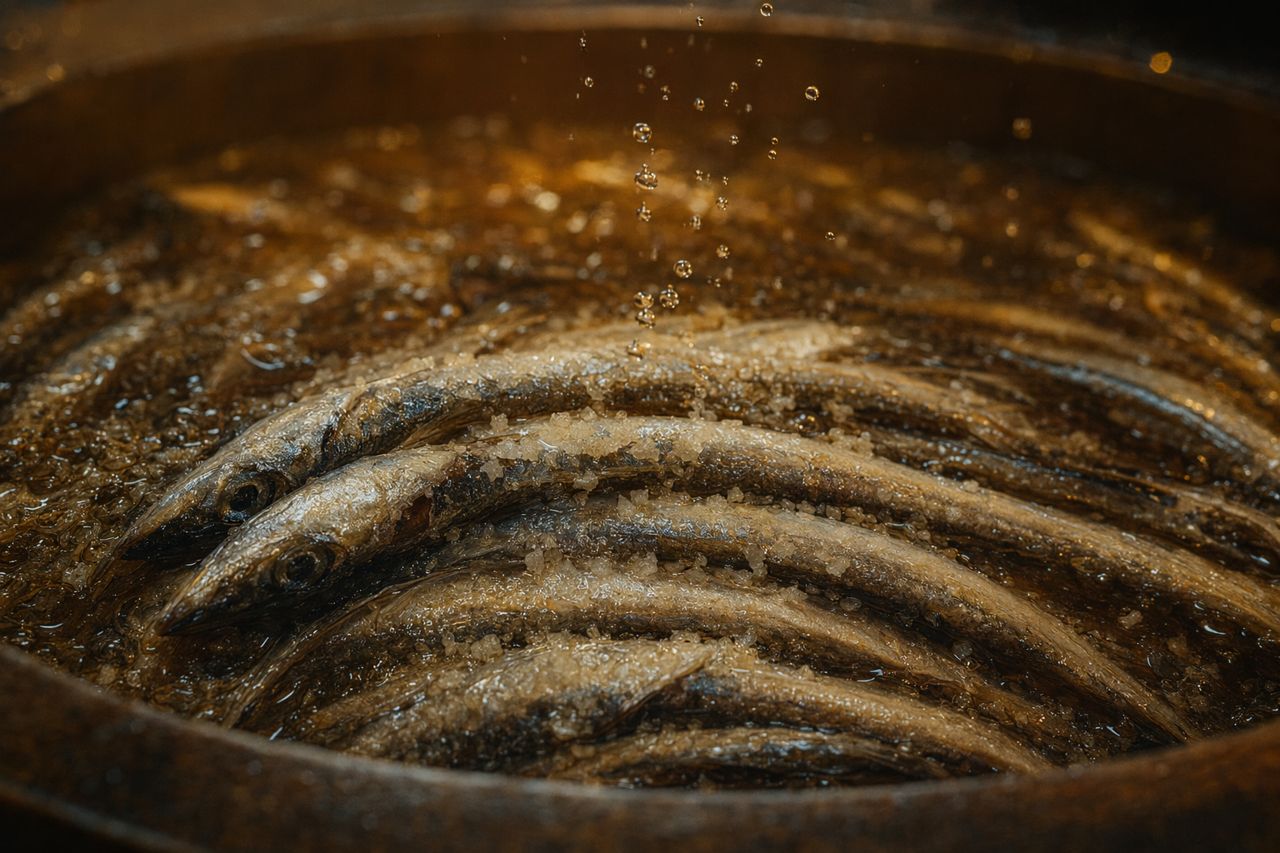
A fish sauce factory can grow for years on craft memory: the feel of salted fish in the vat, the color of first draw, the smell of brine after a long hot season. As production expands, that experience still matters. The role of a small QA lab is not to replace tradition. It is to make the factory more repeatable, more traceable, and more confident when more vats, more workers, and more customers enter the system.
For fermentation managers evaluating an enzyme supplier for fish sauce fermentation, the lab also becomes the place where process changes are observed with discipline. Enzymes can support controlled protein breakdown, nitrogen release, maturation efficiency, and aroma development, but only when batches are sampled, labeled, stored, and reviewed consistently.
This guide focuses on practical lab design for a growing fish sauce operation: layout, sample flow, sanitation, documentation, and the daily habits that protect batch quality.
{{explainer_video}}
Start with the job the lab must do
A small QA lab in a fish sauce factory does not need to look like a university research center. It needs to serve production decisions.
The lab should help your team answer questions such as:
- Is this vat developing in line with its batch age?
- Is nitrogen release progressing at the expected pace?
- Is the aroma profile becoming clean, deep, and stable rather than harsh or spoiled?
- Are salt concentration, temperature exposure, and draw timing being recorded consistently?
- Are enzyme-assisted trials being compared against an appropriate baseline?
- Can every retained sample be traced back to a vat, date, operator, draw level, and production note?
The best lab is small, clean, close enough to production to be useful, and separated enough to keep records and samples protected.
Recommended zones for a compact QA lab
A growing fish sauce factory can often begin with four functional zones rather than a large laboratory footprint.
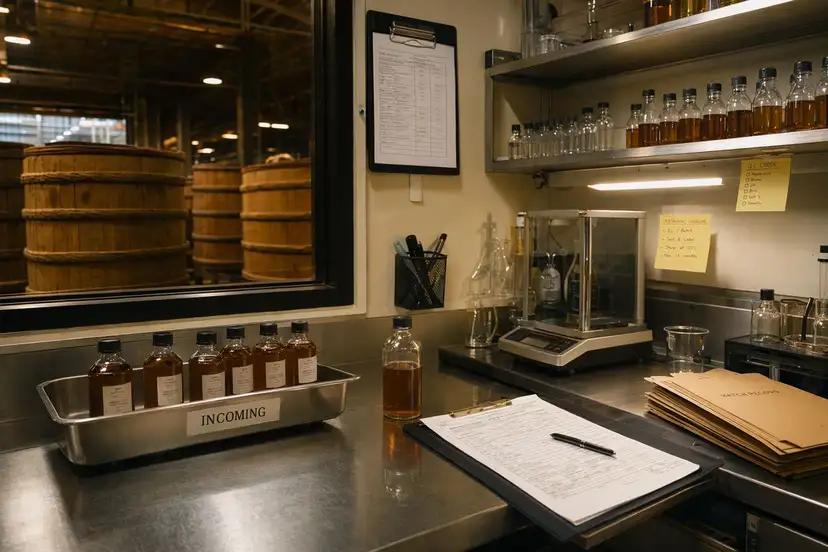
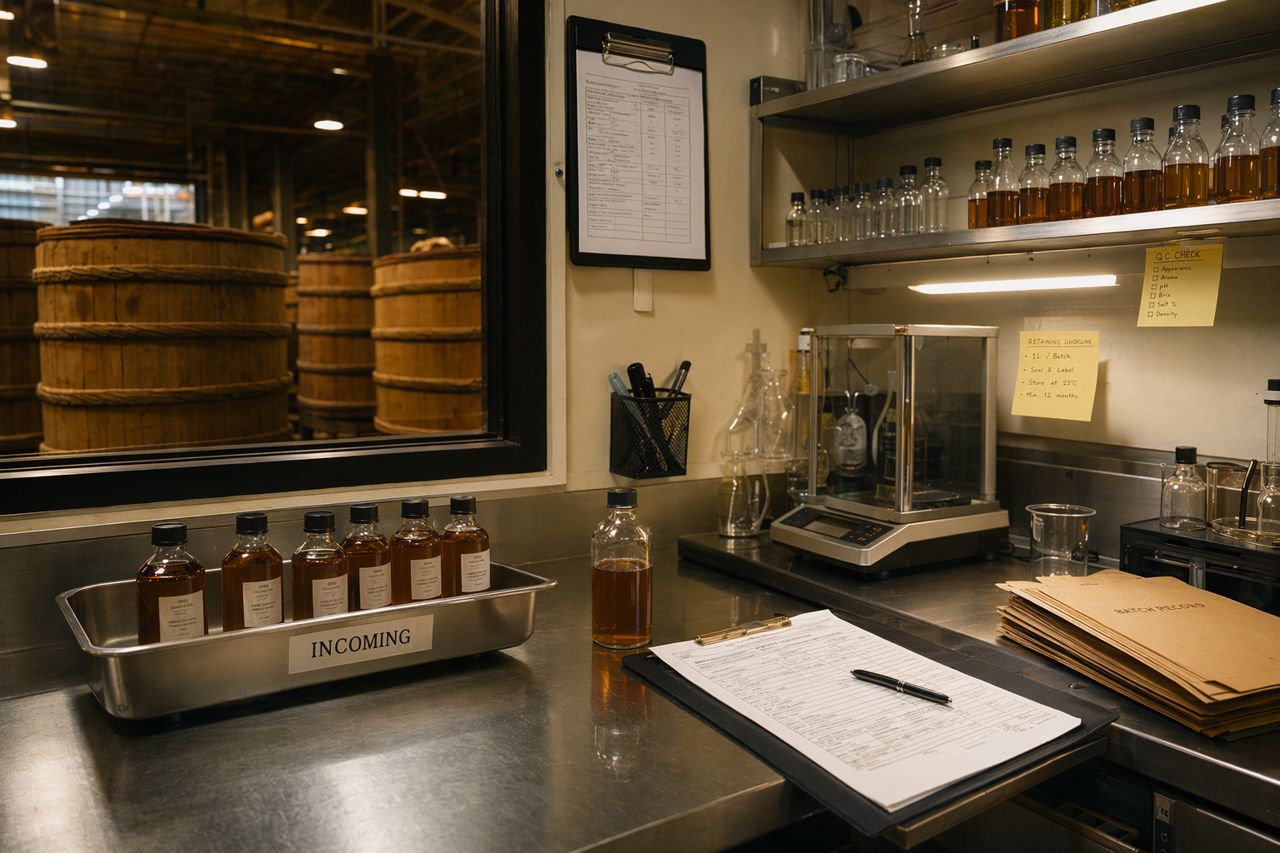
1. Sample receiving and logging
This is where production samples enter the QA system. Keep this area simple and disciplined.
Include:
- A washable bench near the lab entrance
- A sample intake log, digital or paper-backed
- Pre-printed labels or barcode labels
- Clean sample bottles with caps
- A tray system for incoming, in-review, and retained samples
- A clear rule that no unlabeled bottle moves beyond this point
Every sample should be logged before analysis, storage, or tasting. When the plant becomes busy, unlabeled amber liquid becomes expensive confusion.
2. Basic measurement and observation bench
This bench supports routine checks and visual review. It should stay uncluttered.
Useful observations may include:
- Brine clarity and sediment pattern
- Color development from pale amber to deeper brown
- Aroma notes at controlled intervals
- Salt balance checks using validated plant procedures
- pH trend monitoring where relevant to the factory standard
- Soluble nitrogen or related quality indicators confirmed through approved procedures
Avoid treating a single number as the entire story. Fish sauce maturation is a pattern: salt, time, temperature, substrate condition, microbial ecology, enzyme behavior, aroma, and draw timing all move together.
3. Sensory and aroma review corner
Even a technical factory should preserve trained sensory judgment. A dedicated review corner helps keep aroma comments consistent and less influenced by production noise.
Set it up with:
- Neutral lighting
- Clean sample cups or small tasting vessels
- Filtered water and unsalted crackers if tasting is part of the factory protocol
- A standard aroma vocabulary
- A reference set of approved batches
- A procedure for rejecting contaminated or unsafe samples from sensory review
For fish sauce, aroma maturity matters. Your lab notes should distinguish desirable savory depth from sharpness, rancidity, excessive bitterness, muddy notes, or spoilage indicators.
4. Retained sample storage and document control
Retained samples are not decoration. They are your memory bank.
Plan for:
- Shelving or cabinets away from direct sun and heat spikes
- Segregated storage for raw material, in-process, finished product, and customer shipment samples
- Retention periods aligned with customer requirements and internal risk policy
- A sample disposal log
- Batch folders or digital records with controlled access
When a customer asks about a shipment, your retained sample and documentation should let you reconstruct the story without relying on memory alone.
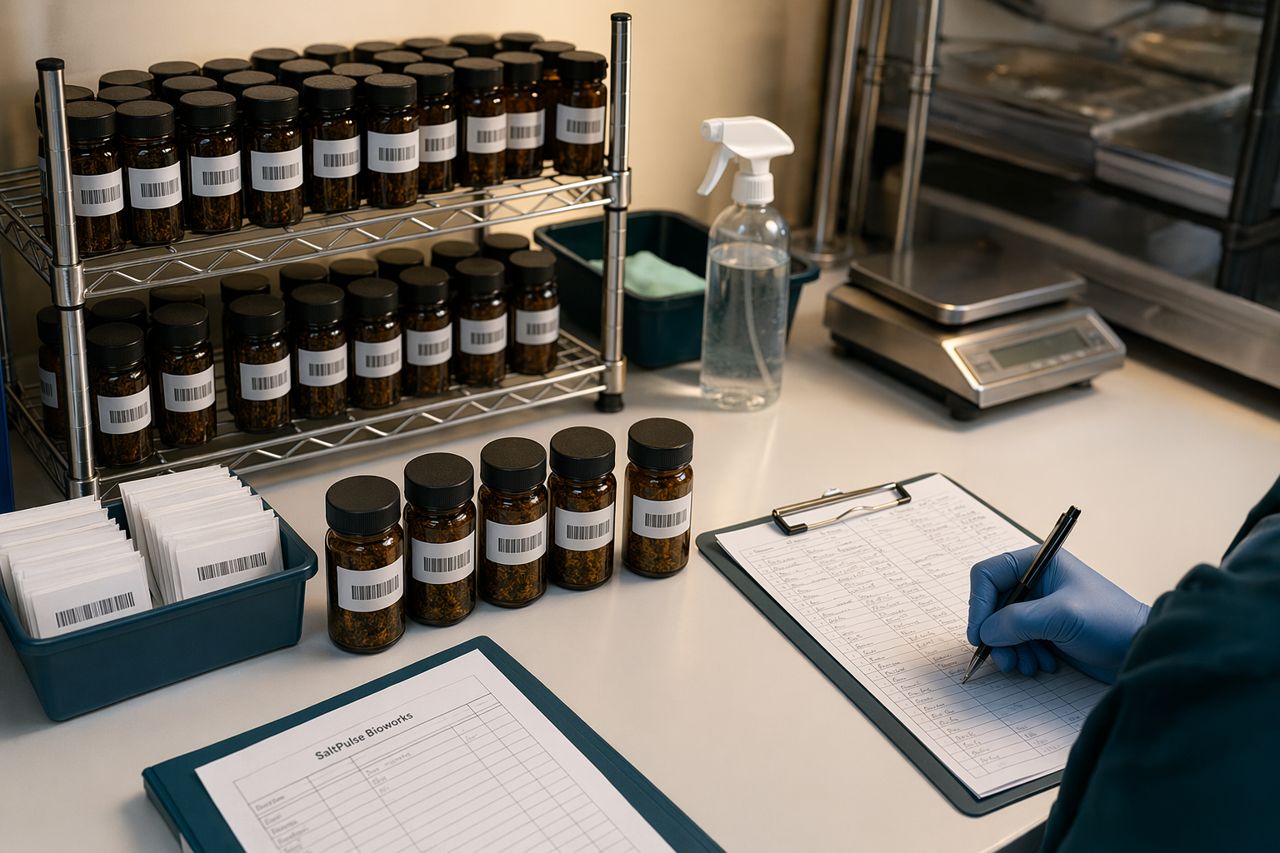
Sample tracking: make the label do real work
A good sample label should be readable six months later and meaningful to someone who was not present when it was collected.
At minimum, include:
- Batch or vat ID
- Sample date and time
- Fermentation age
- Sample point or draw level
- Salted fish lot or raw material reference
- Operator initials
- Enzyme trial status, if applicable
- Intended review: routine, hold, customer, trial, complaint, release, or retention
For enzyme-assisted fermentation trials, the label should also connect to the process record. The lab does not need to carry every detail on the bottle, but it must point to the controlled batch sheet.
Designing documentation that production will actually use
Documentation fails when it is too academic for the floor. Strong records are clear, short, and connected to action.
Use a few core forms:
Batch development sheet
Track each vat through age, salt condition, temperature exposure, draw events, aroma comments, visual observations, and any approved processing notes.
Sample intake log
Record every bottle entering the lab, including who collected it and why.
Deviation log
Capture unusual odor, unexpected color shift, excessive sediment, missed sampling, equipment sanitation concern, raw material variation, or documentation error.
Enzyme trial comparison sheet
If you are working with an enzyme supplier for fish sauce fermentation, compare trial batches against a defined control. Record production-relevant outcomes: maturation pattern, aroma quality, extract yield, filtration behavior, consistency between vats, and finished sauce acceptance.
Release checklist
Before finished product moves to packing or customer shipment, confirm that required checks, retained sample, sensory approval, and batch documents are complete.
Sanitation: protect the lab from the brine floor
Fish sauce plants are saline, humid, aromatic environments. QA labs must be designed to resist cross-contamination from production traffic.
Important controls include:
- Washable surfaces and sealed benches
- Dedicated lab footwear or controlled entry mats
- Gloves for sample handling
- Separate utensils for raw, in-process, and finished samples
- Daily bench cleaning records
- Closed waste containers
- Clear separation between tasting items and raw sample handling
- Scheduled calibration and equipment care according to supplier instructions
The lab should never become a storage room for production tools, spare hoses, unlabeled containers, or personal food. A small clean lab is better than a large compromised one.
Where enzyme work fits in the QA routine
Enzyme solutions for fish sauce fermentation should be evaluated like production tools, not magic ingredients. Their value is seen in process behavior over time.
Your lab should watch for:
- More predictable protein breakdown
- Controlled nitrogen release without sacrificing traditional aroma depth
- Reduced batch-to-batch variability
- Maturation timelines that are easier to plan
- Brine and sauce behavior during draw, settling, and filtration
- Finished flavor that matches the factory style
Salt tolerance is especially important. Fish sauce fermentation is not a mild environment. Any enzyme program must be selected for high-salt process reality and reviewed under plant conditions before scale-up.
Layout tips for small factories with limited space
If space is tight, prioritize flow over furniture.
A practical sequence is:
- Production sample enters at the receiving bench.
- Label and log are completed immediately.
- Routine observations are performed on the measurement bench.
- Sensory or aroma review is conducted separately.
- Retained sample is stored and documents are filed.
- Decisions are reported back to fermentation and production planning.
This flow reduces bottle mix-ups and keeps lab work from drifting into informal conversation.
Common mistakes to avoid
Growing factories often run into the same problems:
- Sampling only when something seems wrong
- Using different bottles, fill levels, or labels each week
- Keeping sensory notes that are too vague to compare
- Failing to connect enzyme trials to a control batch
- Letting production staff remove retained samples without logging
- Recording data but not reviewing trends
- Treating sanitation as a cleaning task rather than a quality system
The lab should create rhythm. Weekly review of batch trends can reveal issues earlier than end-stage tasting alone.
What to discuss with SaltPulse Bioworks
SaltPulse Bioworks supports fermentation managers who need enzyme programs that respect fish sauce craft while improving plant-scale reliability. We focus on salt-tolerant process performance, batch consistency, nitrogen release, maturation behavior, and aroma development that can be evaluated inside a real factory QA routine.
When you contact us, it helps to share:
- Fish species and raw material format
- Salt ratio and fermentation style
- Typical batch age and target maturation window
- Vat size and production scale
- Current variability concerns
- Desired outcomes: consistency, maturation planning, yield stability, aroma profile, or process troubleshooting
- Whether you already have a QA lab or are building one now
Request a quote
If your fish sauce factory is expanding, planning enzyme-assisted trials, or building QA discipline around fermentation control, SaltPulse Bioworks can help you define a practical evaluation path.
Use the on-site request a quote form to tell us about your vats, salt conditions, maturation goals, and current QA setup. We will respond with a production-minded recommendation for next steps.